
As part of the government’s wider obesity strategy, promotions on food and drink products high in fat, salt or sugar (HFSS) will be restricted from October 2022. While this raises challenges for many food and drink manufacturers, it is also an opportunity to welcome reformulation and innovation.
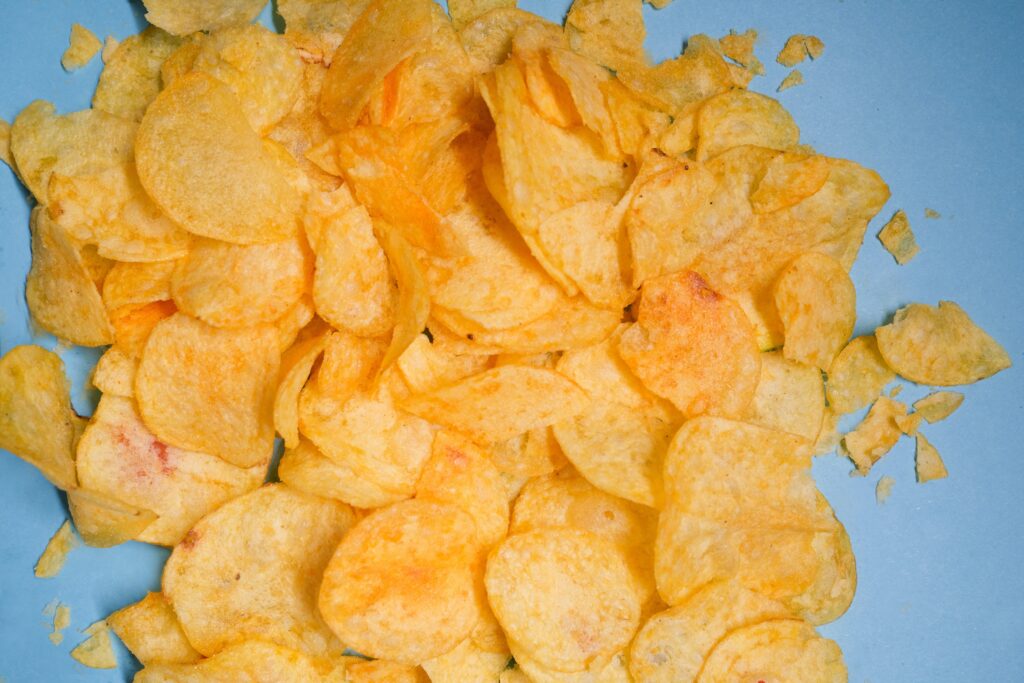
What are the new HFSS rules?
The new rules coming into force later this year aim to alter the food landscape and support the nation in making healthier choices. Offers or promotions on any products that fall within the HFSS category will be prohibited, and these items will no longer be able to be placed in key locations such as at the front of stores, at the end of aisles or by the checkouts. These rules will also apply online.
Previous data has shown that despite promotions being designed to save shoppers money, they actually increase purchasing of the promoted items by almost 20% [1]. The new legislation hopes to discourage this behaviour and prevent consumers from buying HFSS products that they did not intend to buy, with an end goal of reducing overconsumption.
How are HFSS products defined?
Products falling under new legislation will be defined by the Nutrient Profiling Model (NPM). This was developed by the Food Standards Agency in 2004-2005, when restrictions were brought in around the advertisements of HFSS foods to children. The model uses a scoring system which balances beneficial nutrients (such as fibre, protein and fruit and vegetable content) against nutrients of concern (such as fat, salt and sugar).
Some products – such as chocolate – inherently fall into the HFSS category, and these brands now face the challenge of rethinking their promotional strategies. However, for brands with products which are on the cusp, there is opportunity to be creative and reformulate products in order to improve their score on the NPM.
The opportunity angle
In the high sugar category alone, an estimated £1.7 billion revenue is at risk of being lost to brands due to the new restrictions on promotions [2]. However, the removal of HFSS products from key display areas opens up an opportunity for other brands to increase their in-store visibility and boost sales.
This will be a particularly valuable opening for ‘healthier’ products from brands or ranges which would usually fall within the HFSS category. With no in-category competition on the displays, unique products with a healthy feel have a real chance to use the new restrictions to their benefit.

Adding benefit
The new legislation focusses on what needs to be reduced or removed from products, but with labels being scrutinised more than ever before by regulators and consumers alike, it is time to start thinking about what positive nutrition can be added. Developing and reformulating healthier options is not just about the removal of unwanted ingredients but fortifying products with health-promoting ingredients such as vitamins, minerals and botanicals.
With more display presence up for grabs and a demand for clean-label products that can benefit consumers health and wellbeing, companies are being presented with an opportunity to innovate and flourish under the new restrictions.
Less salt, more flavour
With categories such as chocolate and confectionary unable to reformulate products to a level that would be acceptable to both regulators and consumers, the real opportunity to innovate lies with brands who are able to reduce salt content, without compromising on flavour.
Salt reduction has been at the forefront of multiple product reformulations over previous years, due to the salt reduction targets implemented by the UK Government. In response to this, a number of studies and manufacturers have turned to one unlikely ingredient in order to reduce the salt content of their products by up to 50%, without negatively impacting flavour. This ingredient is seaweed.
Add a little, gain a lot
Incorporating the right type of seaweed into food products can have advantages for salt reduction, health benefits and consumer perception. The PureSea® range of seaweed ingredients contain natural glutamates, of which monosodium glutamates (MSG) are derived and widely used to enhance flavour and provide umami characteristics.
PureSea® ingredients provide natural, flavour-boosting properties and an innovative way to balance flavours and reduce the salt content of products. What’s more, the range includes PureSea® Smoked – a naturally oak smoked ingredient that provides additional exciting flavour benefits to explore.

Not only can PureSea® improve products through flavour enhancement, the natural iodine content addresses widespread nutritional deficiencies and means an inclusion of just 100mg per serving allows for use of six European Approved Health Claims on pack, surrounding:
- Energy-yielding metabolism
- Cognitive function
- Growth & development of children
- Thyroid health & function
- Maintenance of skin
- Function of nervous system
Furthermore, the ‘health-halo’ of seaweed is widely recognised by consumers, with research showing that including seaweed within a product increases the purchase intention of consumers [3].
The need for seaweed
With time running out before the new legislation around HFSS products sets in, there has never been a better time to recognise the multi-beneficial effects of including seaweed in food products. With healthier products set to take the limelight both in stores and online, a focus on natural ingredients that are big on flavour and high in quality will help brands to use the new rules to reformulate, reinvent and continue to meet consumer demand.
PureSea® provides the gold-standard of seaweed ingredients, sourced from the pristine Scottish Outer Hebrides. They can be easily incorporated into an extensive range of products to reduce salt content, enhance flavour and provide natural health benefits. Click here to find out more, or get in touch for more information.
[1] Public Health England (2020) An analysis of the role of price promotions on the household purchases of food and drinks high in sugar, and purchases of food and drinks for out of home consumption.
[2] IrI (2022) How will the HFSS regulations impact FMCG brands? (https://www.iriworldwide.com/en-gb/blog/how-will-the-hfss-regulations-impact-fmcg-brands).
[3] Wageningen University & Research (2018) Innovative consumers more willing to buy foodstuffs containing seaweed.