
New research has found that the majority of pregnant Dutch women do not have an adequate iodine status, leading researchers to call for increased intakes and potential supplementation for women planning to conceive.

New findings
Analysis of data from over 200 pregnant women revealed the shocking statistic that the only women with sufficient iodine levels were those who were taking a daily supplement [1]. None of the women included in the study achieved an adequate iodine intake through diet alone. These findings led the researchers to conclude that at the very least, more education around the importance of iodine is needed for women who are hoping to conceive. This includes making women aware that iodine is essential throughout pregnancy, and that the bodies requirements for this nutrient are increased immediately after conception.
Increasing iodine intake
The researchers of the study noted how iodine intake should be augmented preconception, specifically through the increased intake of seafood or seaweed. This is due to the good source of natural iodine that these food groups provide. This is particularly important as research has shown that natural iodine from seaweed is released into the body at a more sustained rate compared to synthetic sources of iodine, such as potassium iodide [2]. What’s more, previous research has shown how supplementing with synthetic iodine could have a negative impact on maternal thyroid function [3]. Researchers of this study noted how a long-term, steady state of adequate iodine intake was the most beneficial for maternal thyroid health, supporting the need to start supplementation preconception.
A global issue
Despite the importance of iodine for healthy pregnancy outcomes, the issue of iodine deficiency extends far beyond The Netherlands, with around 1.9 billion people worldwide remaining deficient in the mineral [4]. This includes the UK, where research clearly demonstrates that large numbers of pregnant women have iodine intakes below the amount deemed sufficient [5]. What’s more, supporting the call for more education around the importance of iodine, a study carried out by Glasgow University reported that around 28% of expectant mothers were not confident that they could achieve the recommended daily amount for iodine, and only 12% were aware of the iodine specific recommendations [6].
The effects of iodine on pregnancy
One of the major findings to come out of current scientific research is the effect that iodine deficiency has on foetal and early childhood brain development, with research suggesting that maternal iodine deficiency results in a lower IQ of the offspring. One prominent study found that insufficient maternal iodine levels during pregnancy was associated with lower language skills in their children, up to 18 months of age [7]. Supporting these findings, another study found that 62% of 1040 mothers were deficient in iodine, with these mothers at an increased risk of their children being in the bottom 25% of IQ test results [8].
The natural solution
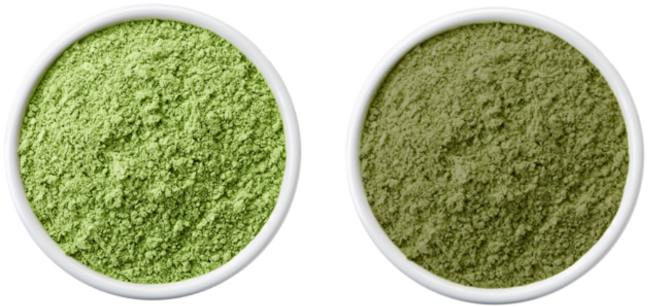
PureSea® gold-standard seaweed is a naturally good source of iodine, ideal for including in pre, during and post pregnancy blends. PureSea® seaweed ingredients are measured every batch for iodine levels, with safe and consistent levels evidenced over many years of production. In addition to this, every batch is uniquely DNA authenticated to ensure full and transparent traceability.
Just 100mg of PureSea® is needed per serving to provide a good source of iodine and allowing for the use of six approved health claims, surrounding supporting normal:
- Growth of children
- Thyroid function
- Cognitive function
- Functioning of the nervous system
- Energy-yielding metabolism
- Skin health
PureSea® is available in a range of formats, allowing ease of use in a variety of applications.
Click here to view the full range, or contact us.
[1] Mayunga, K.C., Lim-A-Po, M., Lubberts, J., Stoutjesddijk, E., Touw, D.J., Muskiet, F.A.J. and Dijck-Brouwer, D.A.J. (2022) Pregnant Dutch women have inadequate iodine status and selenium intake. Nutrients.
[2] Combet, E., Ma, Z.F., Cousins, F., Thompson, B. and Lean, M.E.J. (2014) Low-level seaweed supplementation improves iodine status in iodine-insufficient women. British Journal of Nutrition.
[3] Rebagliato, M., Murcia, M., Espada, M., Alvarez-Pedrerol, M., Bolumar, F., Vioque, J., Basterrechea, M., Blarduni, E., Ramon, R., Guxens, M., Foradada, C.M., Ballester, F., Ibarluzea, J. and Sunyer, J. (2010) Iodine intake and maternal thyroid function during pregnancy. Epidemiology.
[4] Pearce, E.N., Lazarus, J.H., Moreno-Reyes, R. and Zimmermann, M.B. (2016) ‘Consequences of iodine deficiency and excess in pregnant women: an overview of current knowns and unknowns’, The American Journal of Clinical Nutrition, 104(3), pp. 918-923.
[5] Woodside, J.V. and Mullan, K.R. (2020) Iodine status in UK – an accidental public health triumph gone sour. Clinical Endocrinology, 94(4) pp. 692-699.
[6] Combet, E., Bouga, M.,Pan, B., Lean, M.E.J. and Christopher, C.O. (2015) ‘Iodine and pregnancy – a UK cross-sectional survey of dietary intake, knowledge and awareness’, British Journal Of Nutrition, 114(1), pp. 108-117.
[7] Markhus, M.W., Dahl, L., Moe, V., Abel, M.H., Brantsaeter, A.L., Oyen, J., Meltzer, H.M., Stormark, K.M., Graff, I.E., Smith, L. and Kjellevold, M. (2018) Maternal iodine status is associated with offspring language skills in infancy and toddlerhood. Nutrients, 10(9).
[8] Sarah C Bath, Colin D Steer, Jean Golding, Pauline Emmett, Margaret P Rayman, DPhil (2013) Effect of inadequate iodine status in UK pregnant women on cognitive outcomes in their children: results from the Avon Longitudinal Study of Parents and Children (ALSPAC). The Lancet, Volume 382, Issue 9889, P331-337.