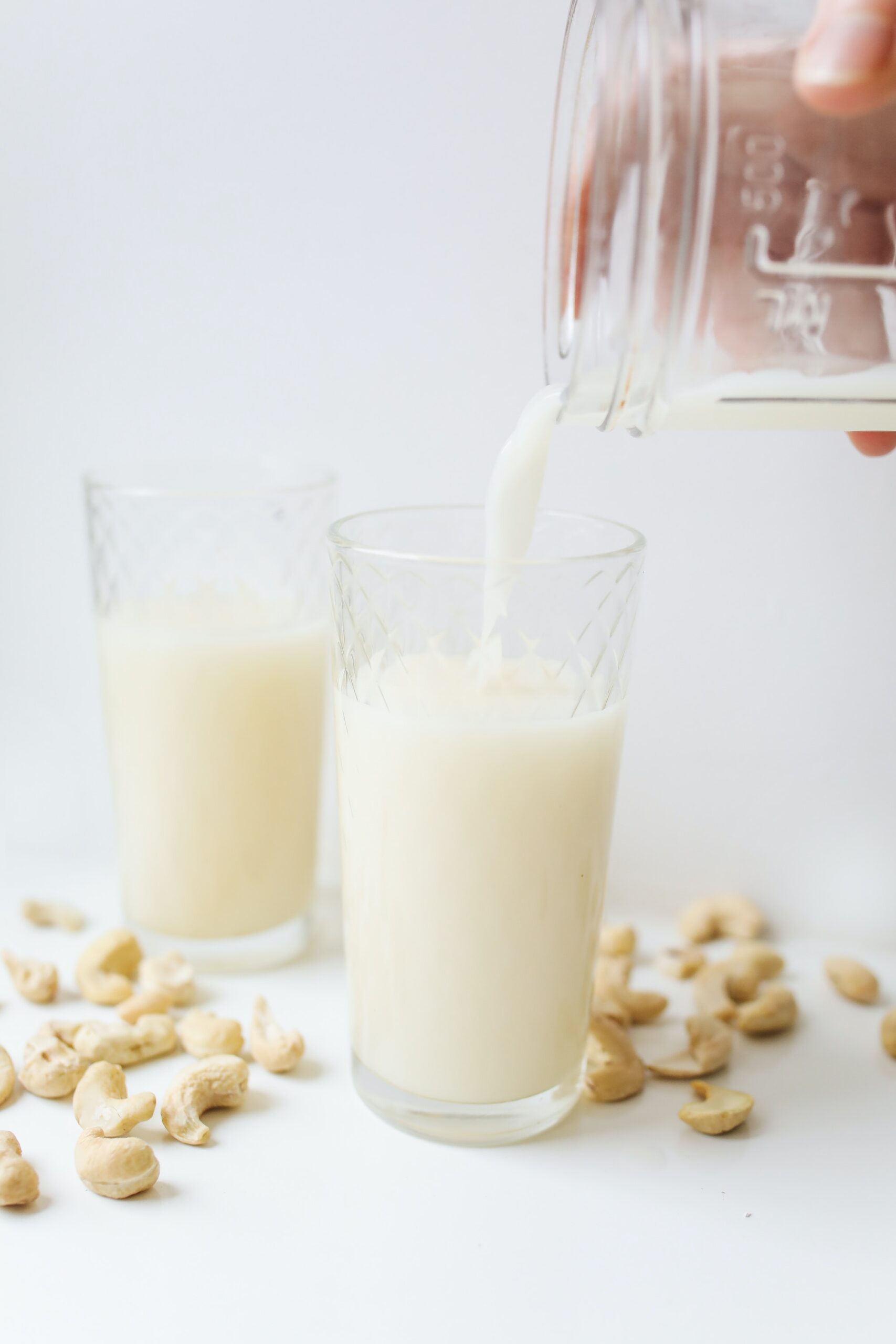
Plant-based dairy alternatives are more popular than ever before. But they are also raising concerns about a growing lack of iodine in vegan diets
The explosion in popularity of oat milks and nut milks has been evident in every supermarket and café over recent years. What was once considered a niche necessity for certain dietary requirements has exploded into a thriving nutrition market, with sales in the market doubling in 2020 alone.[1]
With half a million people signing up to this year’s Veganuary campaign at the beginning of the year, interest in plant-based living continues to grow and grow.[2] And within this skyrocketing industry, dairy alternatives like oat milk are taking centre stage.
Waitrose reports that searches for ‘oat milk’ rose by 210 per cent in 2020,[3] reflecting the growing interest in making vegan food swaps within consumer daily diets. There’s no doubt that oat milk is a healthy option, but there is the risk of missing out on key nutrients found in cow’s milk, including iodine.
Oat milk sales are skyrocketing
Oatly is spearheading the oat milk revolution. Backed by celebrities like Oprah, Jay-Z and Natalie Portman, Oatly has quickly become one of the most widely recognised commercial oat brands, and is valued at roughly £10 billion. The company is also set to open one of the world’s largest plant-based factories in 2023, with the capacity to produce up to 450 million litres of oat milk a year.[4]
But it’s not just Oatly that’s paving the way for oat milk’s popularity. Brands like Alpro, Cadbury’s, Gold&Green, Starbucks, Costa, Halo Top and even Taco Bell have carved out a section for oat-based products on their shelves and menus in recent years.[5]
There are clear benefits to oats, but there are concerns about iodine deficiency
Anita Bean, nutritionist and author of The Vegan Athlete’s Cookbook, explains some of the reason why oats have become such an integral part of the healthy eating revolution. Bean says that, as well as being a whole grain, oats are also “an excellent source of fibre, B vitamins, vitamin E and magnesium.”[6]
What’s more, oats are also a fantastic source of beta glucan, which is a type of soluble fibre that dissolves in the digestive tract. This provides prebiotic benefits that promote good bacteria.[7] A study from scientists at Louisiana State University also found that eating oats regularly helps to keep one’s appetite under control, promoting healthy weight management.[8]
However, there are limitations to oat milk, namely the lack of key vitamins present in cow’s milk like calcium, potassium, phosphorus, vitamins B2 and B12 and, crucially, iodine.
People following a mixed diet rely on dairy products for their iodine intake, with cow’s milk making up 34% of the UK’s iodine levels. The naturally occurring levels of iodine found in cow’s milk aren’t mirrored in oat-based alternatives, as shown by the British Journal of Nutrition. The publication compared the iodine content in cow’s milk to that in six varieties of oat milk. Researchers concluded that those opting for oat milk would need to find alternative dietary sources of iodine for their health.[9]
Iodine needs a spotlight in the nutrition market
Iodine deficiency remains a key concern for the UK and the rest of Europe, increasing the risk of unhealthy thyroid function in millions of people, particularly women and girls.[10] Thyroid function is vital for our cognitive development, metabolism, skin health and more.[11]
And with growing numbers of people switching to a vegan diet, the need for plant-based iodine sources in the food and drink market has never been greater.
Seaweed is the only viable plant-based source of iodine, presenting a simple and effective way for vegans to achieve their recommended daily intake of iodine without giving up the benefits of oat milk. PureSea® is made from organic, wild harvested seaweed from the pristine waters of the Scottish Outer Hebrides. With its naturally high level of nutrients – including iodine – and fully traceable production, it can be easily added into a wide range of nutrition products to help ensure consumers are achieving their recommended daily intake of iodine.
Discover more about PureSea® by exploring the full range of products today. Simply click here to find out more.
[1] https://www.thetimes.co.uk/article/is-oat-milk-good-for-you-8rf36lx2c
[3] https://waitrose.pressarea.com/pressrelease/details/78/PRODUCT%20NEWS_12/12410
[4] https://www.thetimes.co.uk/article/new-york-takes-swig-of-oatly-2xgjb6hd2
[5] https://www.livekindly.co/cadbury-heir-chocolate-made-with-oat-milk/
[6] https://anitabean.co.uk/my-books/
[7] https://microbiomejournal.biomedcentral.com/articles/10.1186/s40168-017-0246-x
[8] https://www.ncbi.nlm.nih.gov/pmc/articles/PMC4757923/
[11] https://www.augustahealth.com/health-focused/small-gland-big-job-why-your-thyroid-is-so-important