The rapid emergence of seaweed-based food products could benefit serious issues of iodine insufficiency in the UK, with quality seaweed supply and good labelling being a must, says recent study from Glasgow University
In the UK, 76% of girls and 66% of adult women have insufficient levels of iodine. These are levels worse than South Sudan!
A diet deficient in iodine can cause serious health concerns from babies to old age. Read our previous blog on the importance of iodine during pregnancy
The significant growth in seaweed food products on our supermarket shelves is a great thing to provide highly nutritious and sustainable foods, and in particular the supply of iodine that is naturally rich in many nutritious seaweed products.
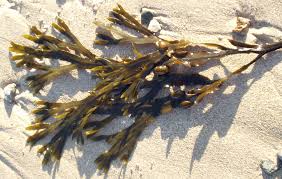
It is important to note that globally there are around 10,000 different species of seaweed, and in the UK alone, around 650 species of seaweed. This vast diversity is reflected in seaweeds’ nutritional properties, flavours and other positive attributes.
The Glasgow University seaweed study found that of the 224 seaweed products available, just 22 had stated iodine levels on packs. Whilst this does not mean there are necessarily issues with the other products, the labelling does not give specific details and there are some species of seaweed that can be very high in iodine, which may cause issue (especially ‘kelps’). To some degree, this remains a controversial point however; with anecdotal evidence from Japan showing high iodine intakes from seaweed (compared to Western standards) do not cause significant issue, and have multiple health benefits.
However, quality, safety and traceability of seaweed supply are paramount. Knowing the iodine levels, which can be very variable, as well as heavy metal content, microbial activity and other aspects of food safe seaweed is essential – much as you should for any food you eat.
Seaweed is really no different from other foods, but as it is new to many people and industries, there is rightly a degree of caution applied. Furthermore, seaweeds from polluted waters can themselves take on pollutants (much like plants grown in polluted soils, or next to motorways are likely to be higher in heavy metals, for example).
Our accreditation system ensures the safety, quality and sustainability of our seaweed supply chain. This is overseen by Doctor Seaweed and an expert panel where required.
The worries of too much iodine are vastly overshadowed by the consequences of too little iodine. Please get in touch to discuss any aspects that you have questions about on our seaweed supply, quality, sustainability, or just to talk seaweed.