
Down to Earth with Zac Efron
This blog has been inspired by a conversation I had with a friend recently. He had asked if I had watched the new series ‘Down to Earth with Zac Efron’ on Netflix (I had). The series is an 8-part documentary where actor Zac Efron journeys around the world with wellness expert Darin Olien in a travel show that explores healthy, sustainable ways to live. In episode 4 Zac goes to Sardinia. The visit causes Zac to rethink his view on nutrition as he learns the key to why the locals live such long, healthy lives. This in turn caused my friend to question his own diet, reaching out to me for some advice.
The Mediterranean Diet
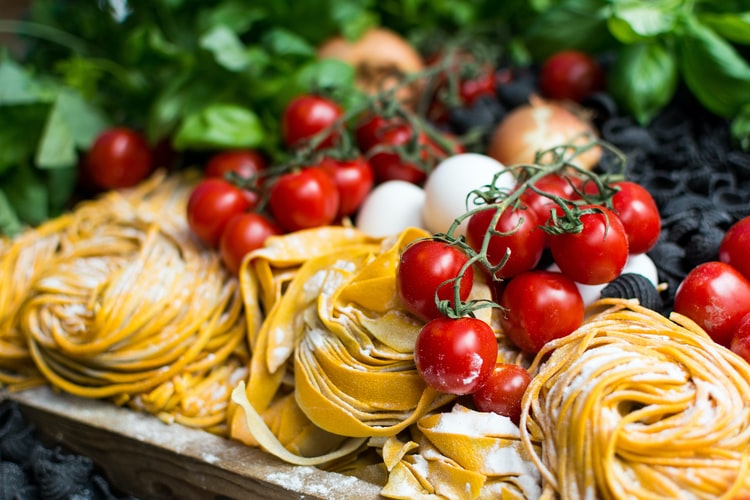
So, what is the Mediterranean Diet? The NHS website describes it as “a diet that incorporates the traditional healthy living habits of people from countries bordering the Mediterranean Sea, including France, Greece, Italy and Spain.” This involves a diet that is high in vegetables, fruits, legumes, nuts, beans, cereals, grains, fish, and unsaturated fats such as olive oil. Additionally, meat and dairy products are consumed but normally less frequently.
What’s important about the Mediterranean Diet?
The Mediterranean Diet is a popular subject thanks to Sardinia which is an island off Italy that boasts a notable number of centenarians (people who live over 100). In fact, Sardinia is one of five places in the world that have been dubbed as ‘Blue Zones’. This concept grew from demographic work by Gianni Pes and Michael Poulain in the Journal of Experimental Gerontology. These areas all have the same thing in common: the people living here seem to be the healthiest and longest living. These areas are Okinawa, Japan; Sardinia, Italy; Nicoya, Costa Rica; Ikaria, Greece, and Loma Linda, California.
The Okinawa Diet
Now recent research has highlighted that the Japanese hold the crown for the oldest living population. This is especially the case in the ‘Blue Zone’ of Okinawa. Dr Craig Wilcox is an American gerontologist who has studied the diet and has actually co-wrote a book on it called ‘The Okinawa Program’. He summarises the diet as eating “three servings of fish a week, on average … plenty of whole grains, vegetables and soy products too, more tofu and more kombu seaweed than anyone else in the world, as well as squid and octopus, which are rich in taurine – that could lower cholesterol and blood pressure.” Did you notice he mentions seaweed?
Seaweed
Seaweed is a powerhouse when it comes to nutrition. There are over 10,000 species in the world and are a staple food in Asian diets – notably China, Korea and Japan. BBC Good Food state that “all types contain a rich supply of minerals, most prominently calcium, copper, iodine and iron. They are also rich in protein, fibre and vitamins, specifically vitamin K and folic acid, while being low in calories and fat.” Iodine is one of those minerals that is massively important and research suggests that the UK (and Europe) might not be consuming enough of it. This is especially true before and during pregnancy as it is responsible for cognitive foetal development. One way to ensure that you are getting enough is to consume seaweed. Not sound too appealing? Why not try our supplements?
Try our supplements today!
Seaweed isn’t weird… it’s wonderful! Nothing else has the incredible mix of health, nutrition, flavour and sustainability potential of seaweed. In other words, this is why seaweed is THE food of the future. Therefore, we want to help you understand it, use it and love it.
A natural iodine source, supporting:
- – Thyroid Health & Metabolism
- – Cognitive Health, Normal Skin, Nervous System & Growth in Children
- – Certified Organic, Kosher & suitable for Vegans
- – Sourced in the pristine Scottish Outer Hebrides
- – Contains Organic Hebridean Ascophyllum seaweed, & nothing else!

Buy yours here today! Enter the code TRYME20 to get 20% off your first box!